Eva Allen
A vehicle’s exterior combines functional elements with visual details that define its overall character. For owners interested in customization, changing selected components can provide a practical way to create a different appearance without replacing the entire body. Car exterior accessories are available in many designs, materials, and finishes, making it possible to approach a project according to a vehicle’s specific shape and styling. Thoughtful selection can help new components work naturally with the factory design.
Understanding the Role of Exterior Customization
Exterior modifications can serve several purposes depending on the component. Some car exterior accessories are mainly decorative, while others are designed around aerodynamics, protection, or weight considerations. Knowing the intended purpose of each part helps owners make decisions based on more than appearance alone. It also makes it easier to build a modification plan that suits the way the vehicle is used.
Appearance and Function Can Work Together
A well-selected exterior component can contribute to the vehicle’s visual identity while serving a practical purpose. Aerodynamic pieces may influence airflow, while protective accessories can help shield vulnerable areas from everyday exposure. Decorative trim can provide a different finish or texture without changing the vehicle’s basic structure. The right combination depends on the owner’s priorities and the specific application.
Factory Body Lines Should Guide the Selection
Every vehicle has particular curves, angles, and proportions that contribute to its original appearance. Aftermarket components should ideally follow these characteristics rather than creating unnecessary visual conflicts. Looking at the vehicle from the front, side, and rear can help identify where additions will have the most natural effect. This broader view can also make it easier to maintain balance across the exterior.
Front-End Accessories for a Defined Appearance
The front of a vehicle is often a strong focal point because it includes the grille, headlights, and bumper. Adding carefully selected components can emphasize these features or change the visual weight of the lower front section. Different designs can create anything from a subtle factory-inspired appearance to a more performance-oriented style. Fitment and ground clearance should be considered when selecting lower front components.
Splitters and Front Lip Designs
Splitters and front lips can extend the lower edge of the bumper and create a more defined front profile. They are available in different shapes and materials to suit various vehicle designs. Some are intended primarily as styling pieces, while others are designed with aerodynamic considerations. Installation should follow the manufacturer’s requirements to ensure appropriate alignment and secure mounting.
Grille and Mirror Details
Smaller additions such as grille surrounds and mirror covers can change the appearance without significantly altering the vehicle’s shape. These components can introduce carbon fiber, gloss, matte, or other finishes. Because they are relatively small, they can also be useful for owners who prefer gradual customization. Coordinating these details with larger exterior modifications can create a more unified look.
Side and Rear Modifications for Better Visual Balance
Changes to the side and rear sections can complement modifications made at the front. Side skirts and rocker-panel accents can emphasize the vehicle’s length, while rear spoilers and diffusers can provide additional definition. Selecting components that share related shapes or finishes can help connect the different sections. This approach can make the complete exterior feel more deliberately designed.
Side Skirts and Profile Accents
Side components can visually lower or lengthen the vehicle’s profile depending on their shape. They can also provide a transition between front and rear additions. Material and finish choices can determine whether the modification blends into the body or creates a strong contrast. Vehicle-specific fitment is particularly important because side components need to follow the body’s contours closely.
Spoilers and Rear Diffusers
Rear spoilers can alter the upper profile, while diffusers focus attention on the lower rear area. Their appearance can range from subtle to highly prominent. Some designs also consider airflow and aerodynamic behavior, but their actual effect depends on the specific product and vehicle. Owners should review the intended application before choosing a functional rear component.
Finding the Right Combination of Accessories
A complete exterior project does not need to include every available component. Instead, owners can select exterior car parts that support the particular appearance they want to create. Repeating a material, finish, or design feature across several locations can provide visual continuity. This approach can work for both understated modifications and more noticeable vehicle builds.
Building Around a Primary Feature
One prominent component can serve as the starting point for the rest of the exterior design. A carbon fiber spoiler, for example, could be complemented by smaller mirror or trim accents using a similar finish. Alternatively, a front splitter can become the main styling element around which side and rear components are selected. This method can help keep the customization visually organized.
Reviewing the Complete Vehicle Before Adding More Parts
It can be useful to assess the vehicle after each major modification instead of installing numerous components at once. This allows owners to see whether additional parts are actually needed. It also provides an opportunity to check whether the materials and finishes work well together. A measured approach can help preserve the vehicle’s original character while introducing meaningful changes.
Maintaining Customized Exterior Components
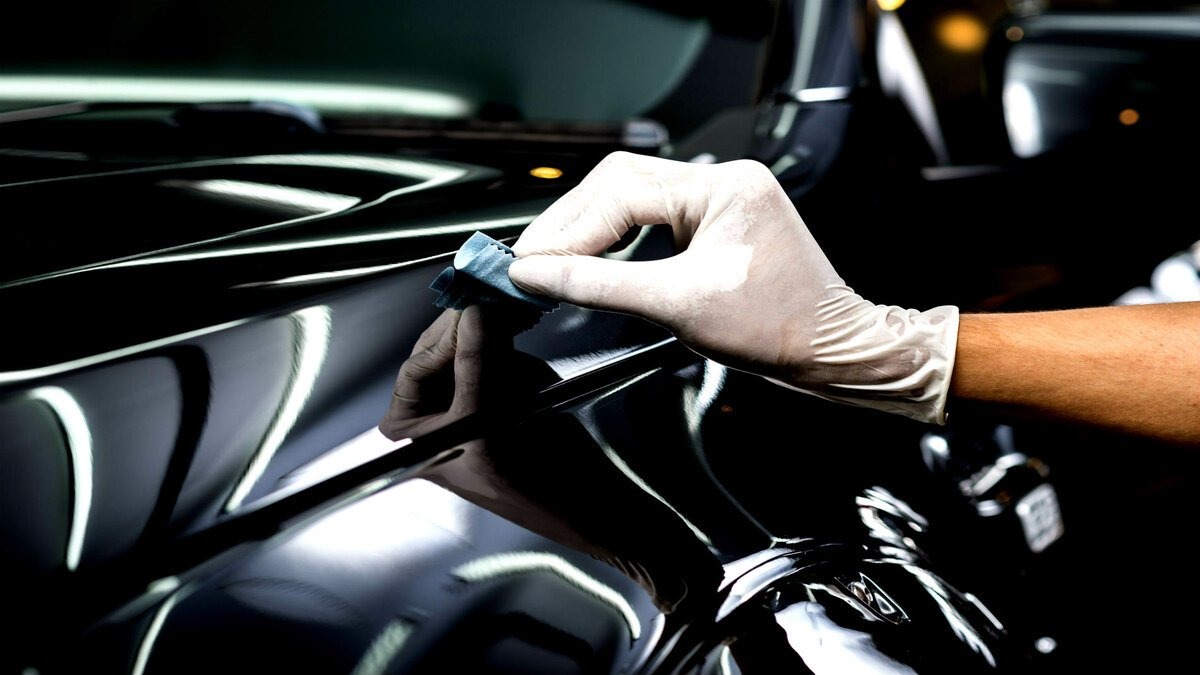
Exterior parts are exposed to sunlight, rain, dust, road debris, and temperature changes throughout their service life. Regular cleaning can help preserve their appearance and allow owners to identify signs of wear. Different materials and finishes may require different cleaning products. Following the care instructions provided with each component is a sensible way to protect the surface.
Inspecting Accessories After Regular Driving
Lower exterior components can encounter road debris more frequently than parts positioned higher on the vehicle. Periodic inspection can reveal scratches, chips, loose fasteners, or other issues. Addressing minor concerns early can help maintain the condition of the parts. Routine checks are particularly useful after long-distance driving or exposure to rough road conditions.
Exploring Options for an Individual Vehicle Build
Owners looking for car exterior accessories can compare components based on their vehicle, preferred style, material, and intended purpose. A carefully selected group of exterior car parts can bring together front, side, and rear styling elements without making the vehicle appear visually inconsistent. Reviewing fitment and installation requirements alongside appearance can make the customization process more straightforward.
Conclusion
Exterior customization provides many ways to adjust a vehicle’s appearance while retaining its underlying design. Front lips, splitters, mirror accents, side components, spoilers, and diffusers can each contribute to a different aspect of the finished look. By considering fitment, material, finish, function, and installation, owners can select car exterior accessories that suit their specific vehicle. A coordinated selection of exterior car parts can then create a distinctive exterior that feels carefully planned rather than randomly modified.