Eva Allen
It is a common question once someone starts pricing out a ceramic coating. The coating quote comes back higher than expected, and paint correction is sitting there as an optional add on that seems easy to skip. Whether skipping it actually makes sense depends on the current condition of the paint, not on the price tag alone.
What Paint Correction Actually Fixes
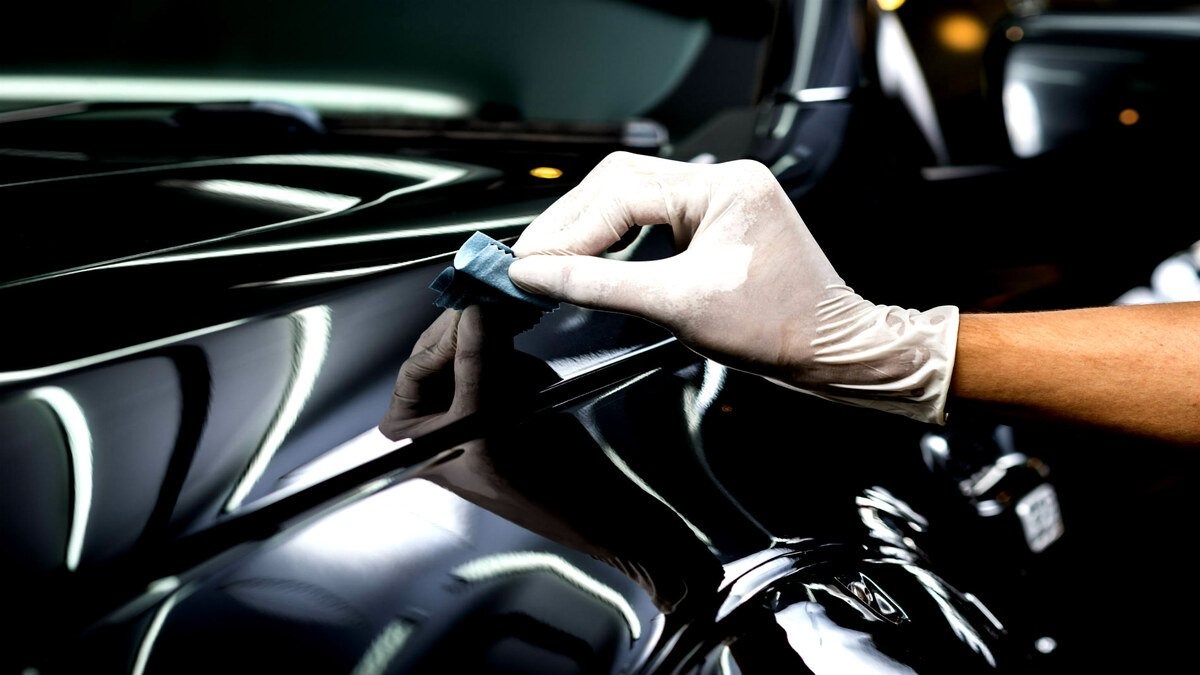
Paint correction is machine polishing that levels the clear coat just enough to remove swirl marks, light scratches, water etching and oxidation sitting on the surface. It does not add anything to the paint, it removes a thin layer of damaged clear coat to reveal a smoother, more even surface underneath. Depending on how bad the defects are, that can mean a single light pass or a full multi stage correction working through cutting, polishing and finishing compounds.
Why Skipping It Backfires Once a Coating Goes On
A ceramic coating does not fix anything underneath it, it seals whatever is already there. Swirl marks, light scratches and hazy oxidation all get locked in permanently once the coating cures, and at that point the only way to remove them is stripping the coating and starting the correction process anyway, on top of the cost you were originally trying to avoid. Skipping correction on paint that already has visible defects does not save money, it just delays the expense and adds the cost of removing a coating to it.
How Much Correction Your Car Actually Needs
Not every car needs the same level of work. A newer vehicle with light swirl marks from automatic car washes might only need a single stage polish. An older daily driver with years of accumulated scratches, oxidation and sun damage usually needs a full multi stage correction to get back to a clean, even surface. This is exactly what an inspection before quoting should tell you, rather than every shop defaulting to the same package regardless of condition. If you’re looking into Kelowna paint correction, ask the shop to actually show you the defects under proper light and explain which stage they recommend and why, instead of quoting a flat package price before they’ve looked at the car.

What a Professional Correction Process Actually Looks Like
A proper correction does not start with a buffer touching the paint. It starts with a wash and decontamination pass so the polishing pad is not just grinding dirt into the clear coat. From there, most shops run a test spot on one panel to see how the paint responds before committing to a full pass across the car. The actual polishing stage uses different pads and compounds depending on what the paint needs, cutting first to level the worst of the damage, then finishing with a lighter compound to bring back clarity and gloss. The process ends with a wipe down and an inspection under proper light, not a glance under shop fluorescents that hide half of what is actually there.
Signs Your Paint Might Already Need It
You do not need professional tools to get a rough read on your own paint. Step outside in direct sunlight or run a flashlight at a low angle across a dark panel at night. Fine, cobweb like lines are swirl marks. A dull, hazy look that will not shine up no matter how much you wipe it is usually oxidation. Small pale spots that stay put after a wash are often water etching baked in by the sun. If more than one of these shows up on a walk around the car, a simple wash and wax is not going to be enough to fix it.
Correction Now vs Fixing It Later
Paying for correction before a coating goes on will always look like the more expensive option in the moment, since it is one more line item on the invoice. Compare that to the alternative: applying a coating over damaged paint, living with those flaws locked underneath it for years, then eventually paying to strip the coating and run the correction anyway before a new one can go on. Done in the right order, correction is a one time cost. Done out of order, it becomes two jobs instead of one, with a coating removal fee added on top of work that could have been done right the first time.
Frequently Asked Questions
What is paint correction?
Paint correction is a machine polishing process that removes swirl marks, light scratches, water spots and oxidation from a vehicle’s clear coat, restoring clarity and gloss without adding anything on top of the existing paint.
How long does paint correction take?
A single stage polish can often be done in a few hours. A full multi stage correction, especially on a car with heavy swirling or years of neglect, can take a full day or longer depending on the vehicle’s size and condition.
Does paint correction remove all scratches?
It removes light to moderate surface scratches and swirl marks that sit within the clear coat. Deep scratches that have cut through to the base coat or primer usually need touch up paint or bodywork rather than polishing alone.
How much does paint correction cost?
Cost depends on vehicle size and how many stages of correction the paint needs. A light single stage polish costs considerably less than a full three stage correction on paint with years of accumulated damage.
Do you need paint correction before ceramic coating?
If the paint has any visible swirl marks, scratches or oxidation, yes. A coating bonds to whatever surface it is applied over, so any existing defects get sealed in permanently rather than fixed by the coating itself.
The honest way to decide is to actually look at the paint under direct light before deciding whether correction is worth skipping. A car that already looks clean and swirl free under a flashlight might genuinely be fine without it. One with visible haze or scratching almost never is.